Calgary and international stroke researchers look to federated learning to work across borders
CALGARY. Stroke researchers in Calgary and Wuhan want to learn from each other’s patients without either side handing over a single record, and a meeting in Calgary this month looked at how that could work.
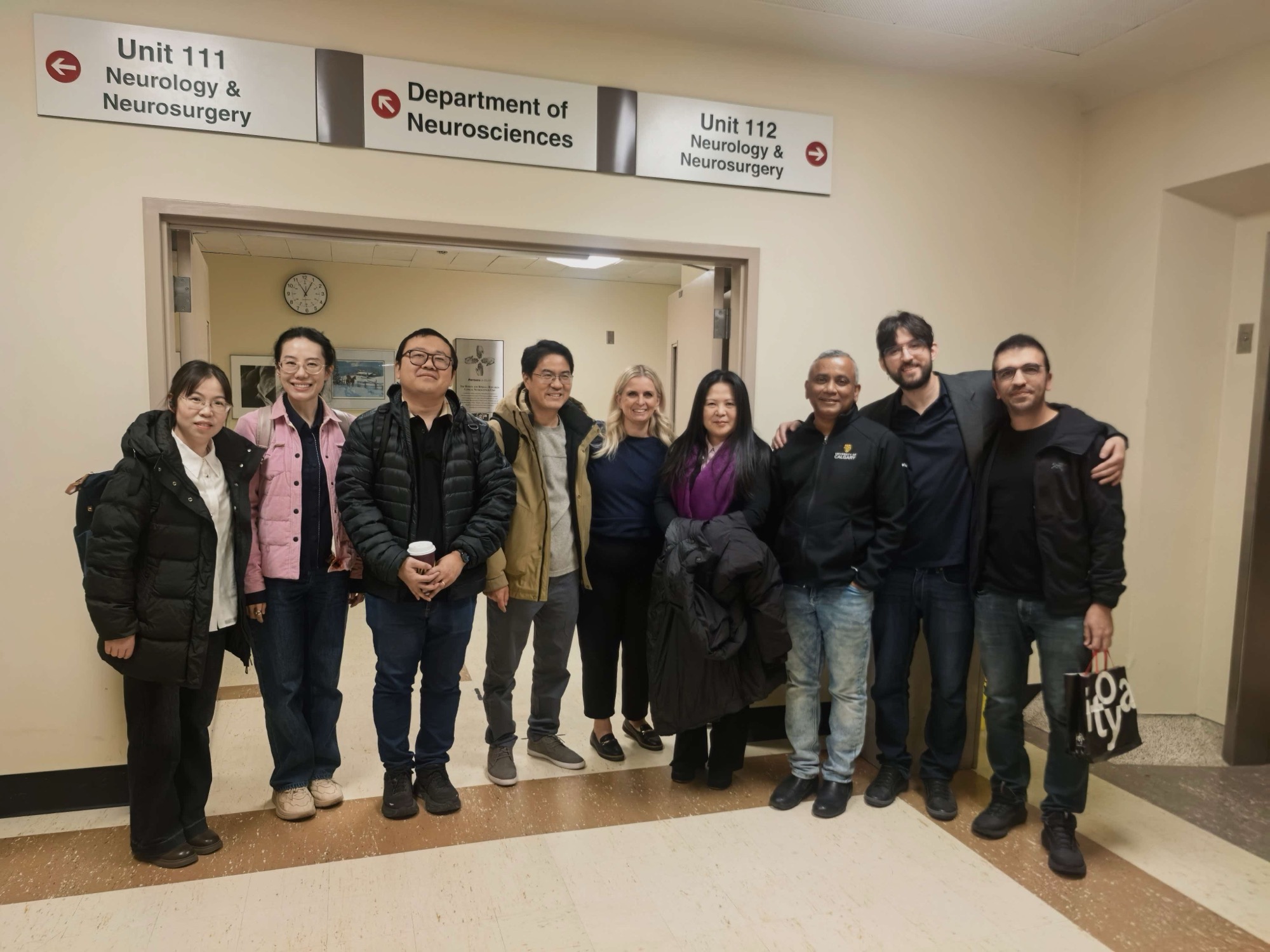
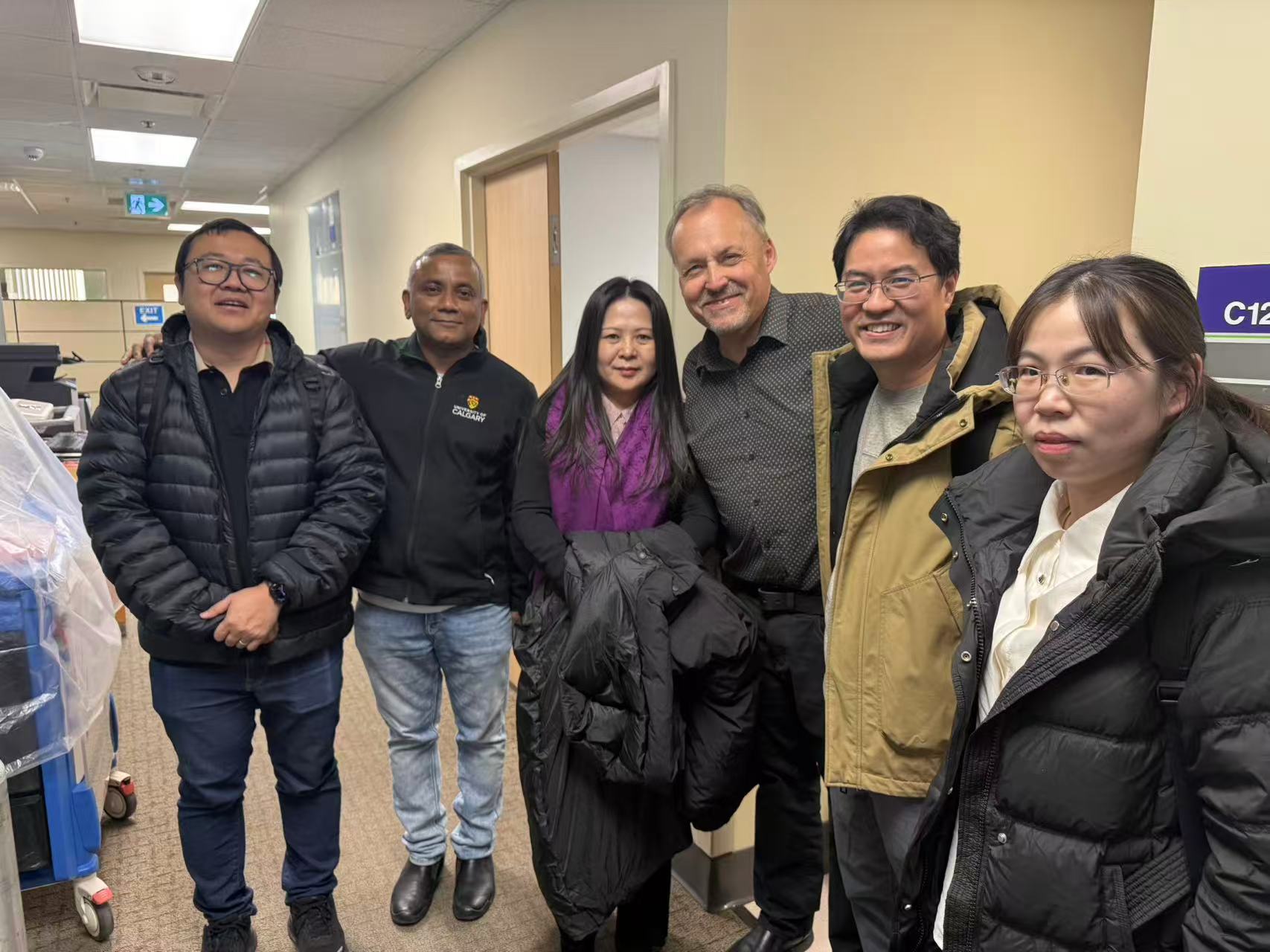
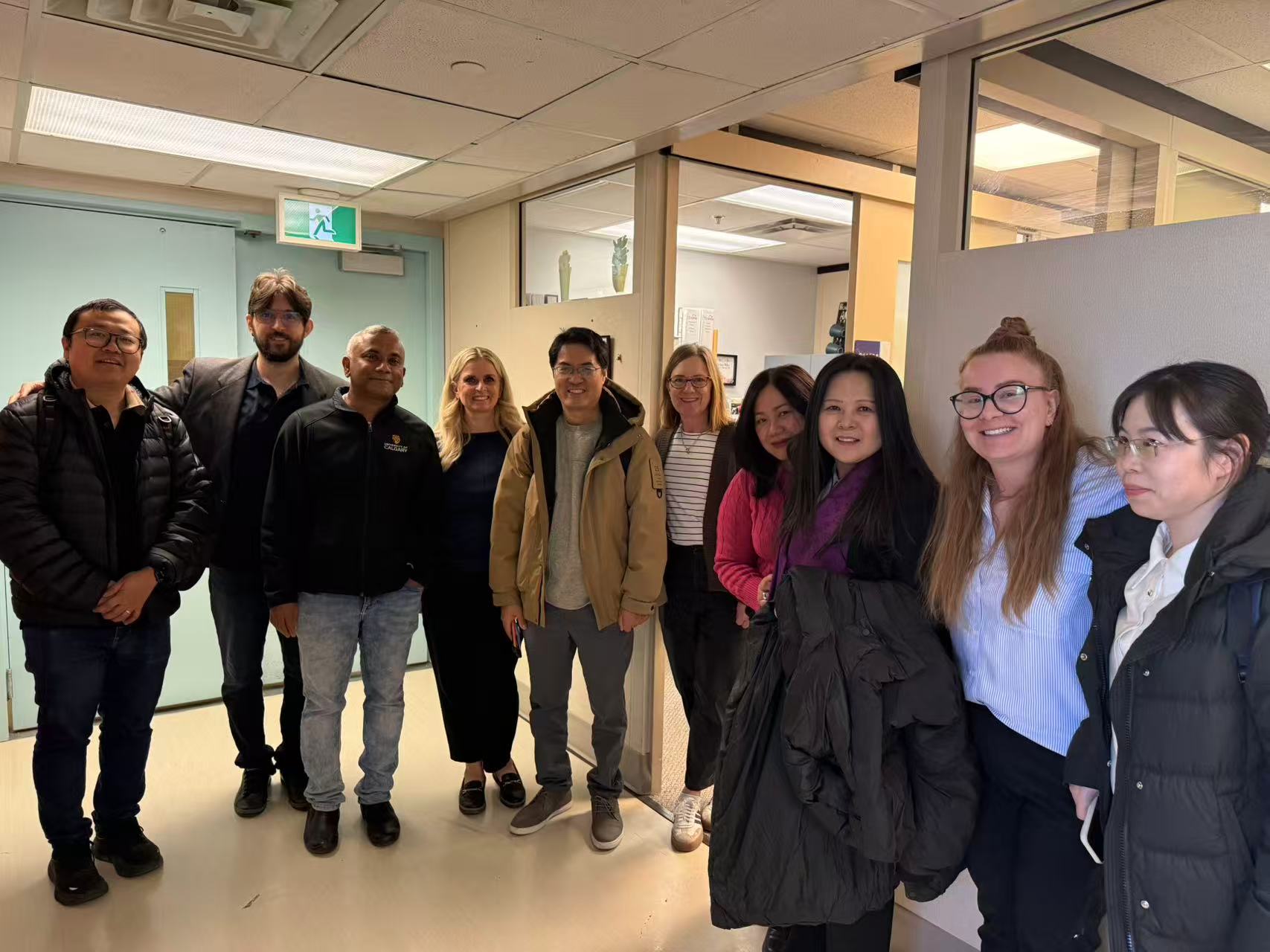
Dr. Steve Drew, director of DENOS Lab at the University of Calgary, visited Dr. Bijoy Menon’s team at the Calgary Stroke Program on Monday, Nov. 2. Also at the table were guests from China led by Dr. Bo Hu, director of the Department of Neurology at Union Hospital, Tongji Medical College in Wuhan. Her team included Dr. Wu Qiu.
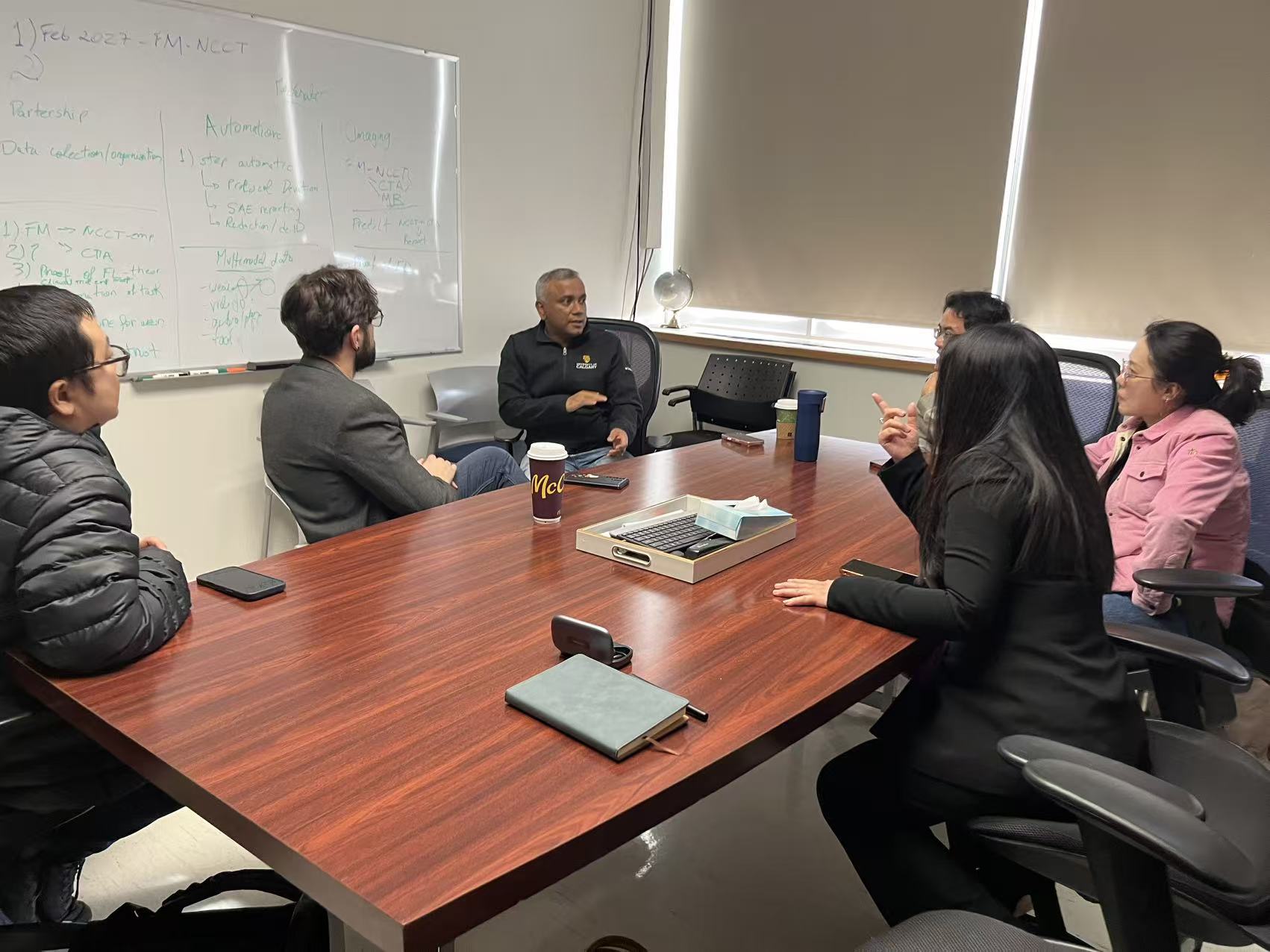
Dr. Drew, Dr. Menon, Dr. Hu, and Dr. Qiu talked through federating the data held by their groups and the promise of federated learning (FL) for making international collaboration easier.
The obstacle is a familiar one in medicine. Stroke studies get stronger with more patients from more places, but privacy laws and hospital governance rules make it hard to move patient records out of the institution that collected them, and harder still to move them across a border.
Federated learning turns the problem around. Instead of sending records to one central database, each hospital runs the same analysis on its own computers and shares only the summary numbers. The patient data stays where it was collected.
The Calgary side came with proof that the approach holds up. In a study published in Scientific Reports on Nov. 15, researchers from DENOS Lab and the Calgary Stroke Program used the lab’s open source Starfish-FL platform to rerun the Alteplase Compared to Tenecteplase (AcT) trial, the Canadian study led by Dr. Menon that compared two clot-busting drugs for stroke.
The team split the records of 1,577 patients by the 21 stroke centres in eight provinces where they were treated, then analyzed each site on its own, as if the data had never left the hospital.
The federated result matched the original. It put the difference in patients making an excellent recovery at 2.14 percentage points in favour of tenecteplase, against 2.1 in the published trial, and it reached the same conclusion that tenecteplase is no worse than alteplase. All four outcomes the team checked, including bleeding in the brain and death within 90 days, came out the same as the published figures.
The paper, Privacy-preserving federated analysis reproduces multicentre alteplase compared to tenecteplase (AcT) stroke trial, is written by Yunkai Bao et al.
The AcT work kept every record inside Canada. A collaboration between Calgary and Wuhan would put the same idea to a harder test, across an international border where the rules on moving health data are tighter still.
The work builds on the lab’s STARFISH project on secure health data sharing, part of its research on distributed learning, agentic simulation and reasoning. Thank you to Dr. Menon and the Calgary Stroke Program for hosting, and to Dr. Hu, Dr. Qiu, and their colleagues for the conversation.