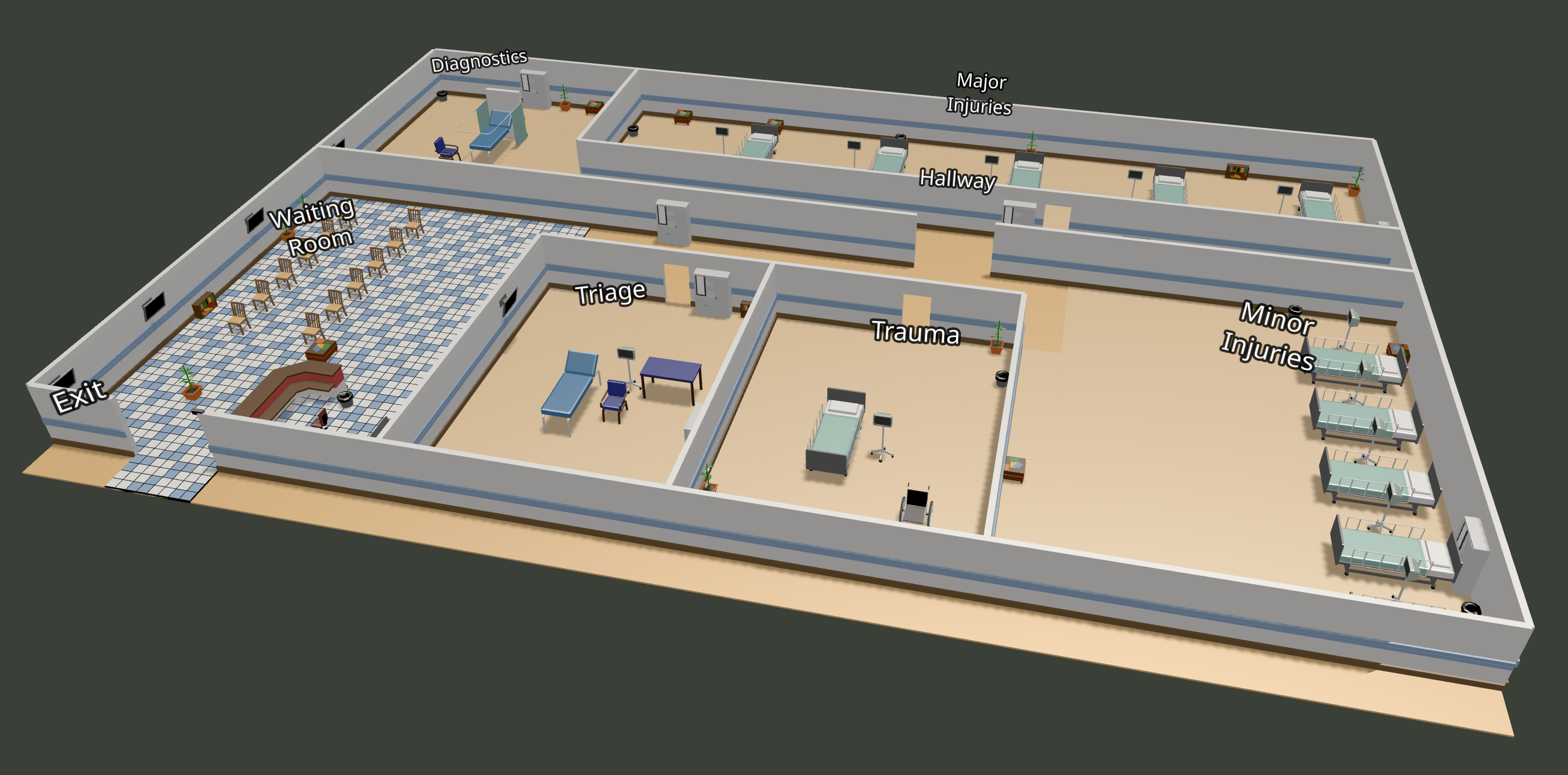
Agentic Simulation for Emergency Department Operations
EDSim is a large language model simulation of an emergency department, with autonomous agents for patients, nurses, and physicians.
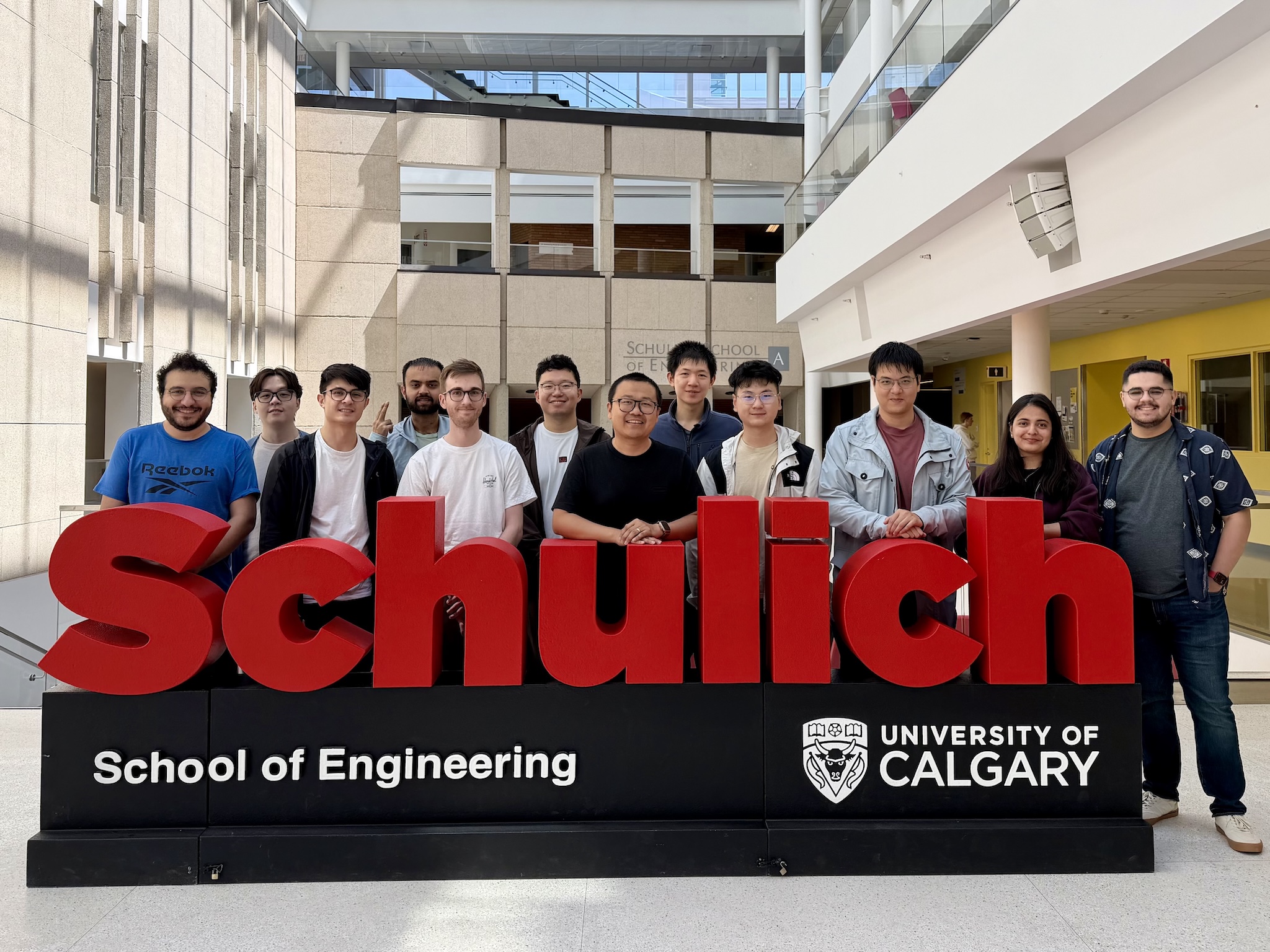
The Distributed Learning and Orchestration (DENOS) Lab at the University of Calgary was founded in 2021 by Dr. Steve Drew, Associate Professor in the Department of Electrical and Software Engineering. We work on distributed learning, agentic simulation and reasoning, building intelligent and privacy-preserving systems that span cloud-edge infrastructures.
We are currently recruiting motivated PhD students in Agentic AI, distributed systems, and AI + Health. We will only consider candidates applying to the PhD program or planning to pursue a PhD after an MSc program, and applications without a first-author publication will not be considered.

Yunkai Bao, Gerry Wu, and Farhan Abbas each lead a paper at the IEEE Annual Congress on Artificial Intelligence of Things in Kobe, Japan this December, on decentralized trajectory prediction under faulty connectivity, the safe quantization boundary for federated unlearning, and LLM monitoring of catastrophic forgetting in edge federated continual learning.
Read the story →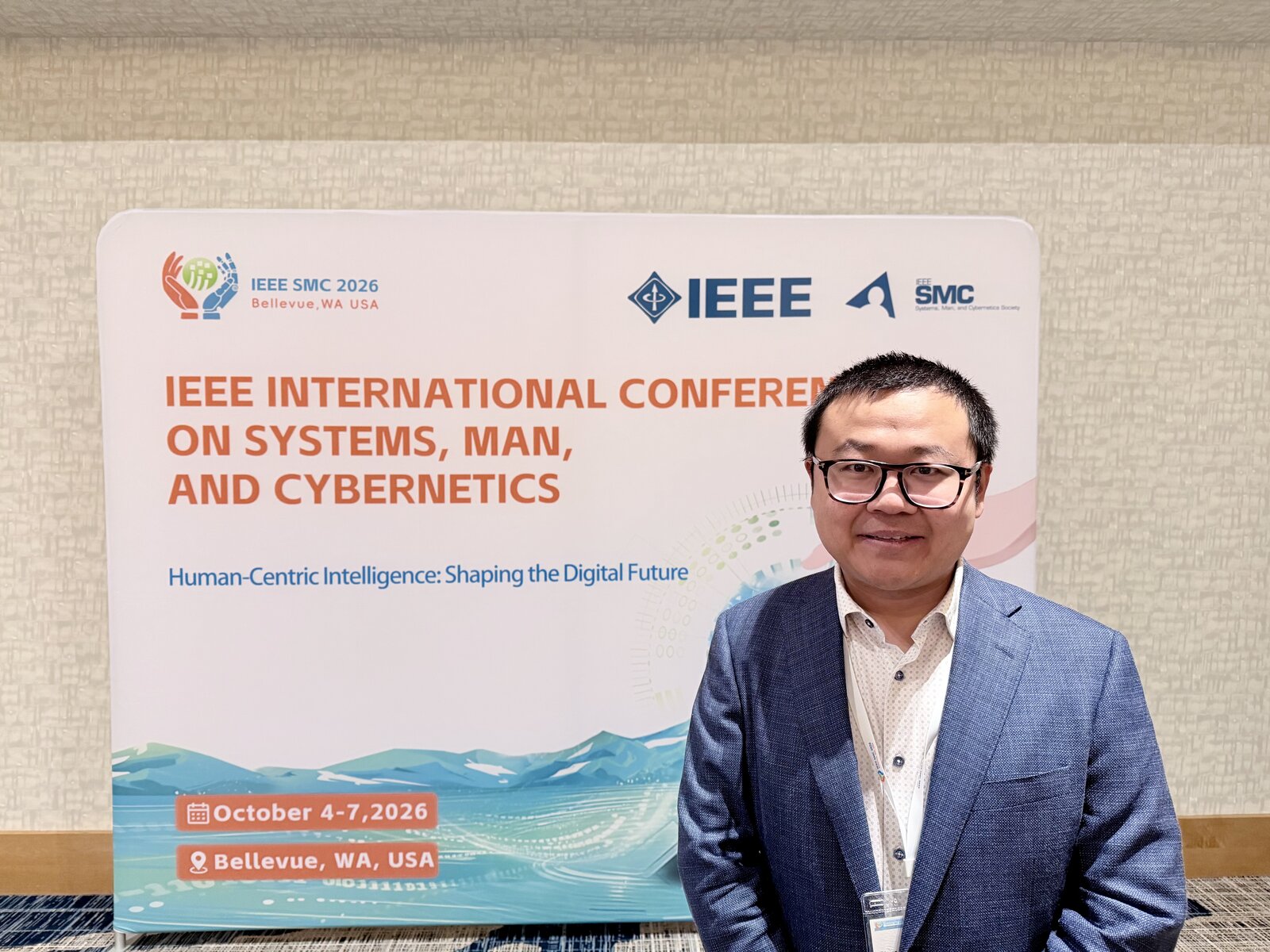
Dr. Steve Drew presented an abstract by incoming student Ruili Xu at the IEEE International Conference on Systems, Man, and Cybernetics in Bellevue, Washington. The work connects the lab's AgentEvac wildfire evacuation simulator with the OASIS LLM-agent social simulation framework to study how warnings, peers, and recommendation algorithms shape when residents leave.
Read the story →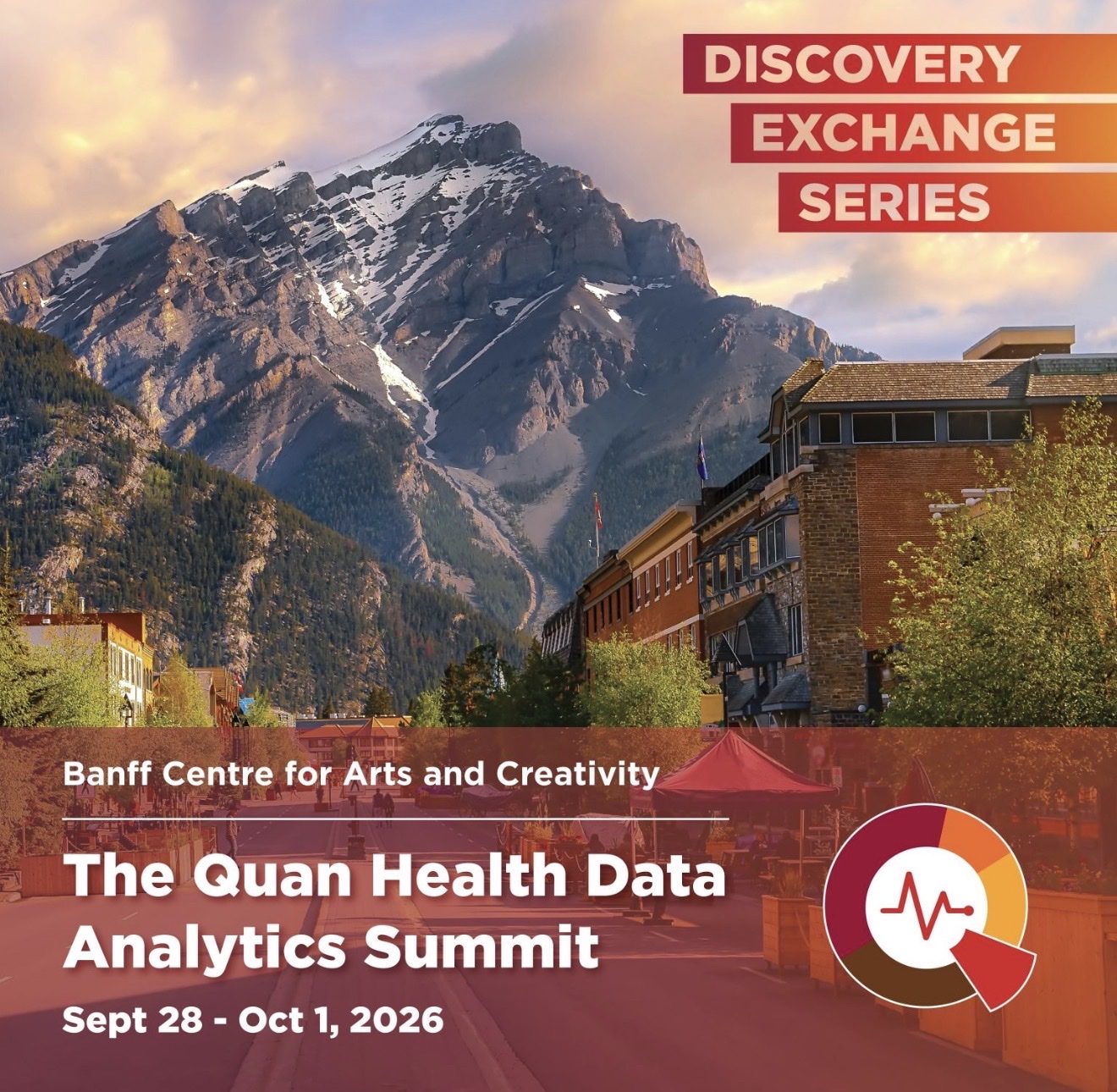
Dr. Steve Drew and Gerry Wu attended the Quan Health Data Analytics Summit at the Banff Centre, a University of Calgary Discovery Exchange Series program honouring Dr. Hude Quan, with hands-on sessions on administrative health data, comorbidity measurement, risk adjustment, and data governance.
Read the story →
Jialin Yang and Gerry Wu's D-RPC, which teaches small language models to reason from a compact bank of reusable reasoning paths, is accepted to the main conference, and Gerry Wu's LegitOnEdge benchmark, which shows that the edge device decides whether a small AI agent succeeds, is accepted to the SLM-Agents workshop.
Read the story →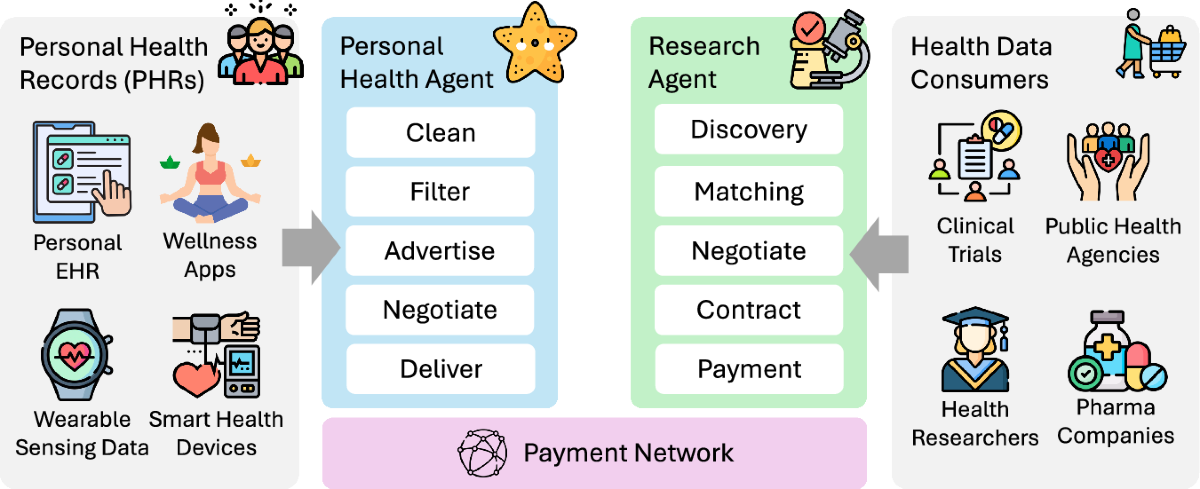
Dr. Steve Drew, Guojun Tang, Zainab Saad, and collaborators at the University of Michigan, the University of Pennsylvania, and Weill Cornell Medicine set out STARFISH, a framework in which personal health AI agents negotiate, license, and get paid for health data on each patient's terms.
Read the story →DENOS Lab pursues resilient and privacy-preserving systems for distributed learning, agentic simulation and reasoning. Six flagship directions anchor our current work.
EDSim is a large language model simulation of an emergency department, with autonomous agents for patients, nurses, and physicians.
STARFISH is a secure, interoperable framework for global health data sharing that lets individuals control their data while enabling compliant research.

AgentEvac is an agentic simulator for wildfire evacuations that couples SUMO traffic simulation with LLM-driven agents following the Protective Action Decision Model (PADM).
SENSE supports the emotional wellness of nurses and social workers, pairing wearable sensor data with machine learning to help frontline staff manage stress in real time.

LENS is a role-aware multi-agent pipeline that grades clinical summaries using open-weight LLMs.
As federated learning (FL) spreads across heterogeneous infrastructures, slow convergence drives excessive energy use on cloud and battery-powered edge devices. We design FL methods that budget clients by availability and carbon footprint and guide cloud-edge orchestration toward resilient, real-world deployment.

Lab Director · Associate Professor, Department of Electrical and Software Engineering, University of Calgary
Dr. Steve Drew leads the DENOS Lab. His research spans federated learning, edge computing, distributed systems, blockchain, and AI for health. He serves as an Associate Editor of the IEEE Internet of Things Journal and Neurocomputing.
Find Dr. Drew on Google Scholar and his UCalgary Profile.
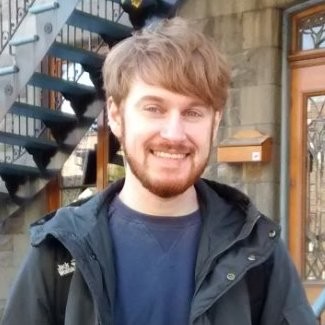
Postdoctoral Researcher, University of Calgary
Dr. Vincent Michalski is a postdoctoral researcher in the DENOS Lab, working on representation learning and reasoning.
Find Vincent on Google Scholar.

PhD Student in Electrical and Software Engineering, University of Calgary
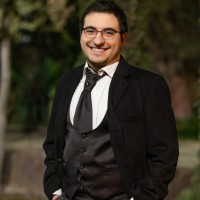
PhD Candidate in Electrical and Software Engineering, University of Calgary

PhD Student in Electrical and Software Engineering, University of Calgary

Incoming PhD Student (starting January 2027), Electrical and Software Engineering, University of Calgary
PhD Student in Electrical and Software Engineering, University of Calgary
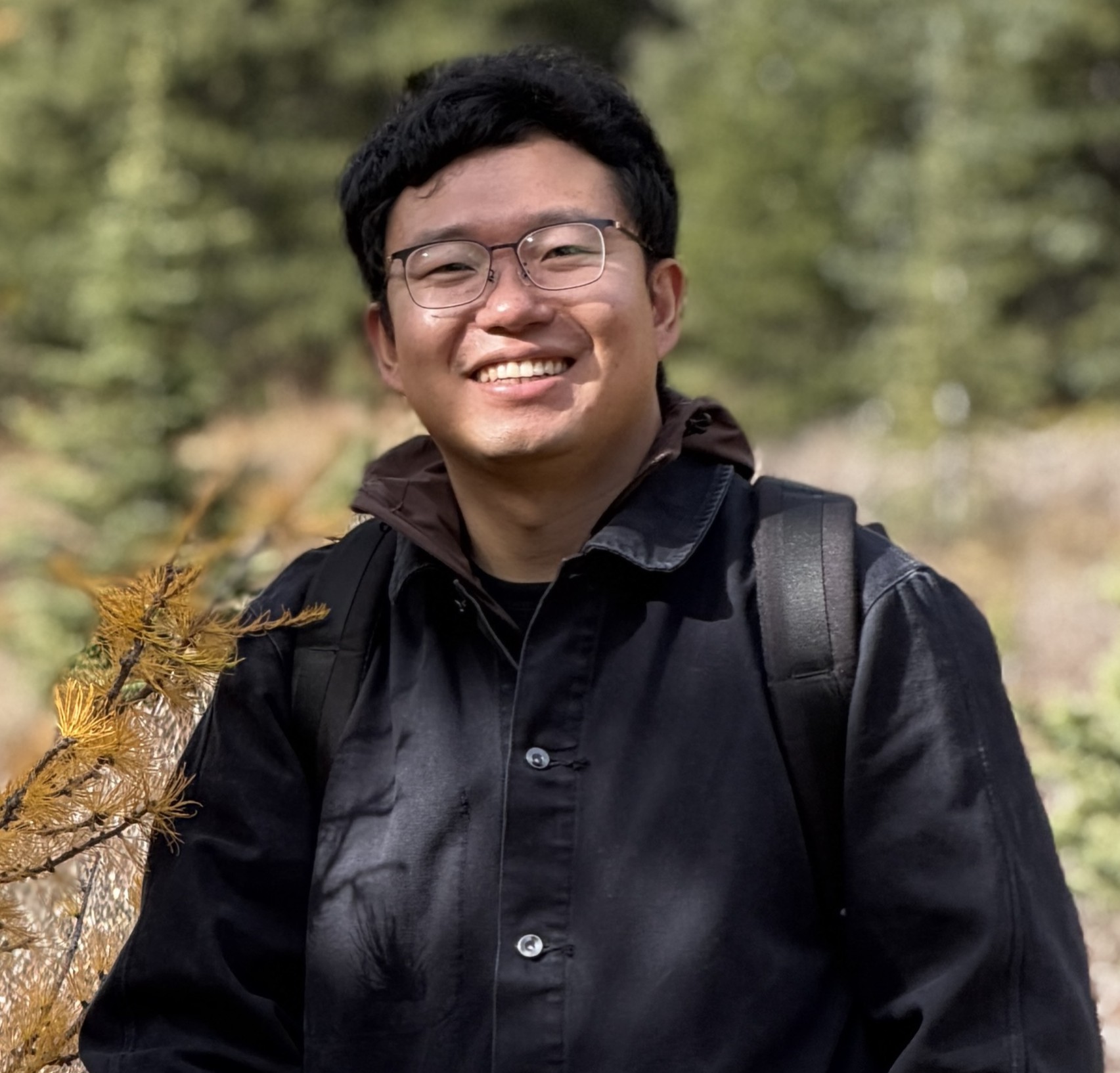
PhD Candidate in Electrical and Software Engineering, University of Calgary
PhD Student in Electrical and Software Engineering, University of Calgary
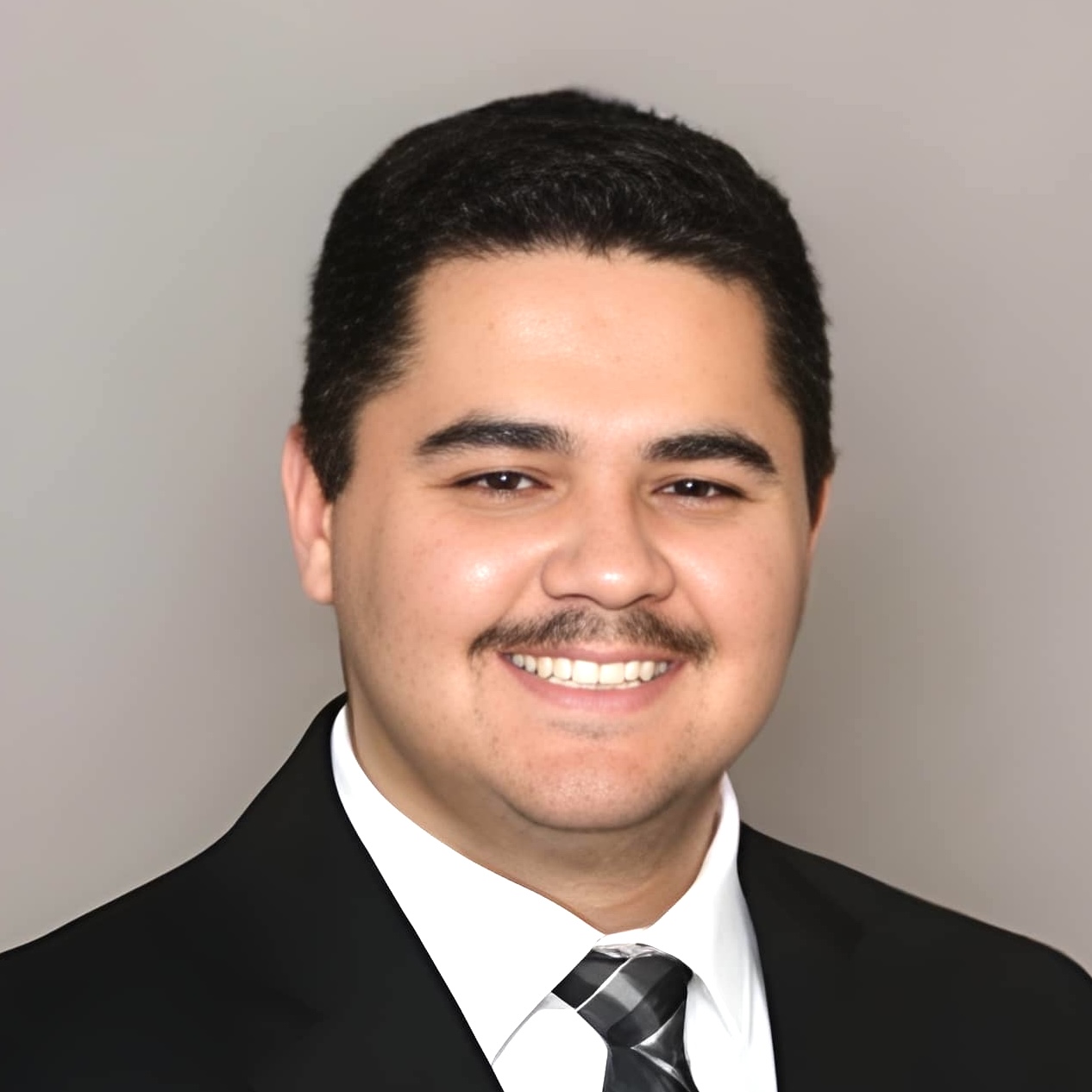
Master Student in Electrical and Software Engineering, University of Calgary

Master Student in Electrical and Software Engineering, University of Calgary
Master Student in Electrical and Software Engineering, University of Calgary
Master Student in Electrical and Software Engineering, University of Calgary
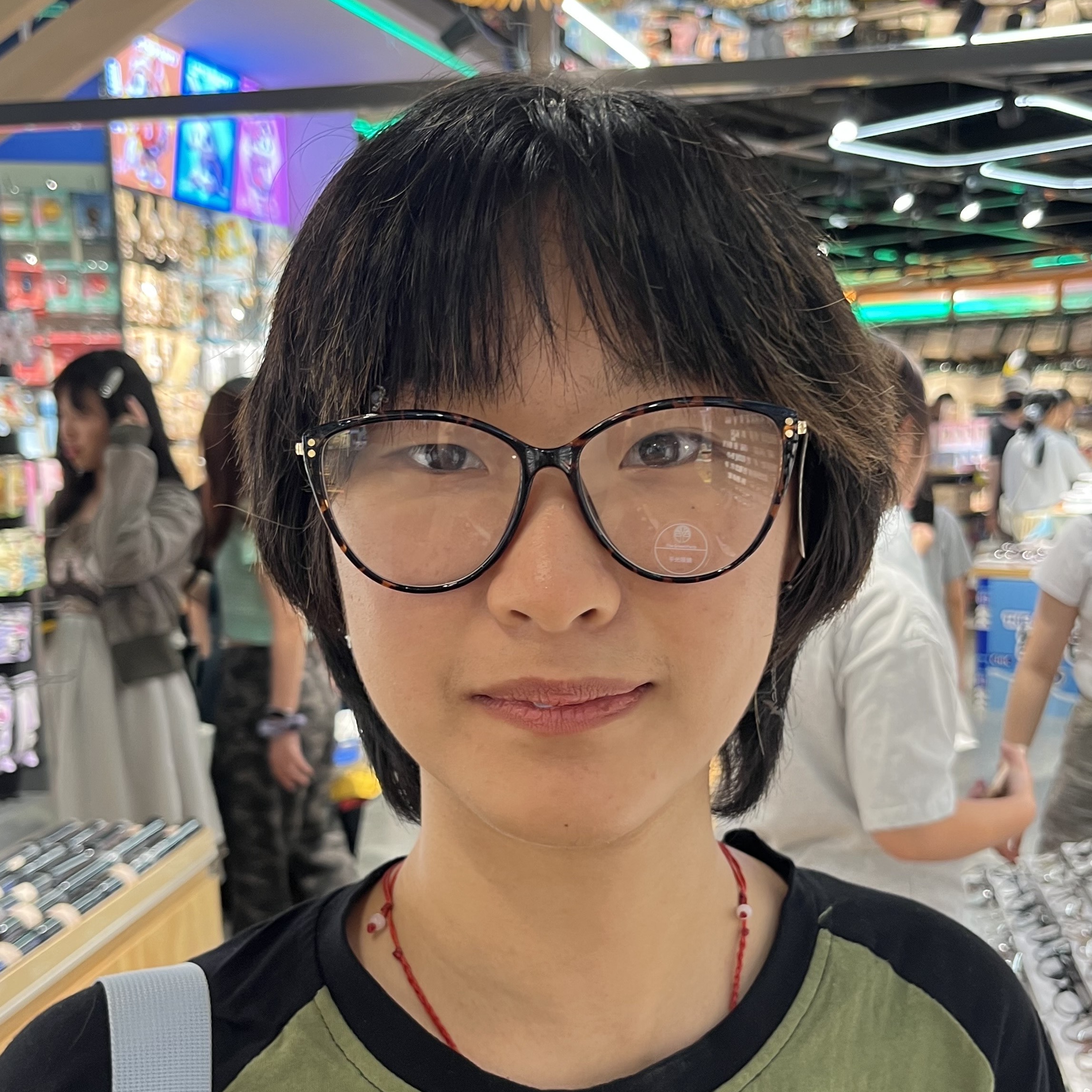
Incoming MSc Student, Electrical and Software Engineering, University of Calgary
Summer Intern, 2026
We collaborate across disciplines and institutions to move our research into practice.
Selected work from DENOS Lab over the last five years on federated learning, edge computing, trustworthy AI, and health informatics. The full and up-to-date list is on Google Scholar.
View all publications on Google Scholar
Structural Rationale Distillation via Reasoning Space Compression
Patient-governed agentic health data exchange
Starfish-FL: Harnessing Agentic Federated Analytics
COLA-GLM: Collaborative one-shot and lossless algorithms of generalized linear models for decentralized observational healthcare data
Topology-aware Federated Learning in Edge Computing: A Comprehensive Survey
FedGreen: Carbon-aware Federated Learning with Model Size Adaptation
FedLE: Federated Learning Client Selection with Lifespan Extension for Edge IoT Networks
USDNL: Uncertainty-based Single Dropout in Noisy Label Learning
Resilient and Communication Efficient Learning for Heterogeneous Federated Systems
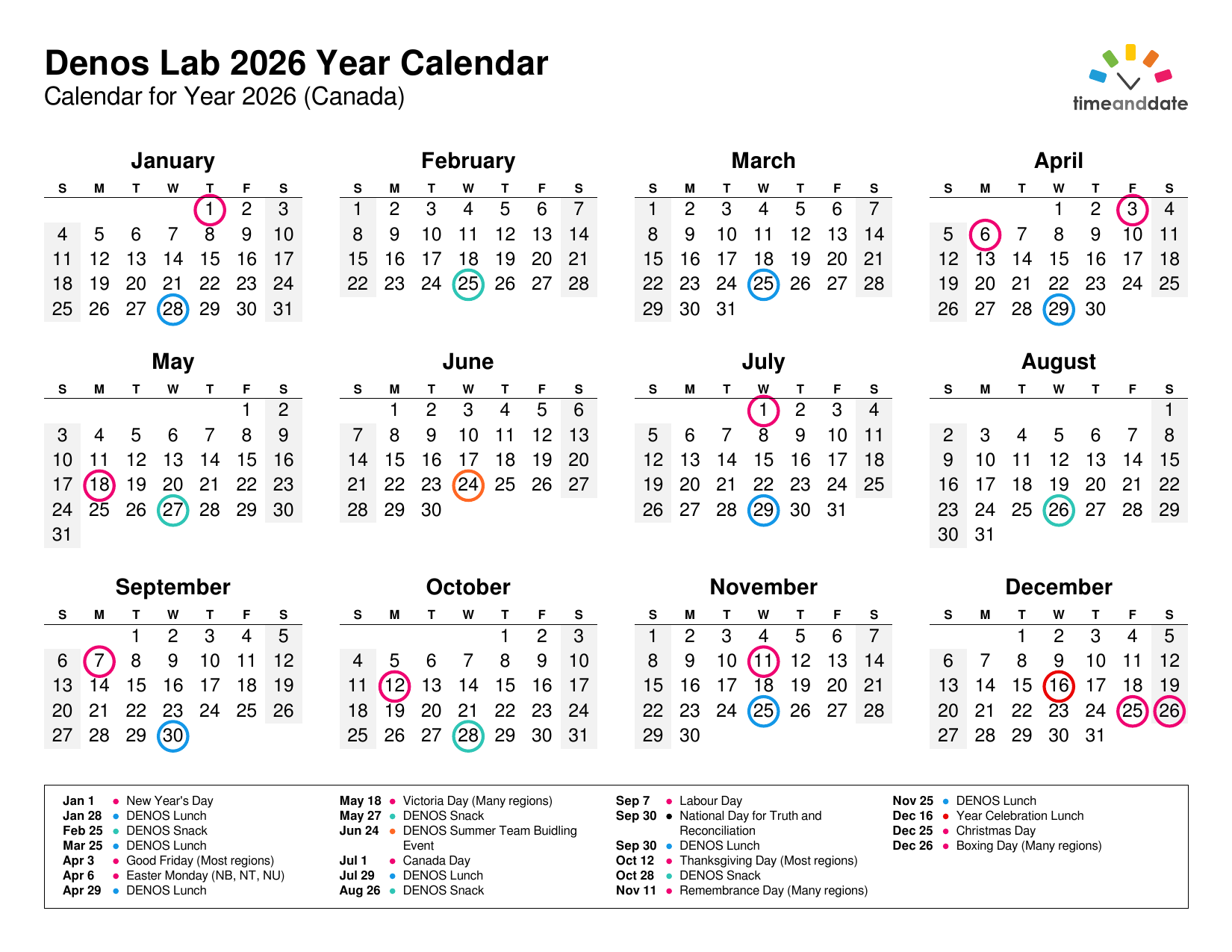
Statutory holidays and key dates for the 2026 academic year in Canada.